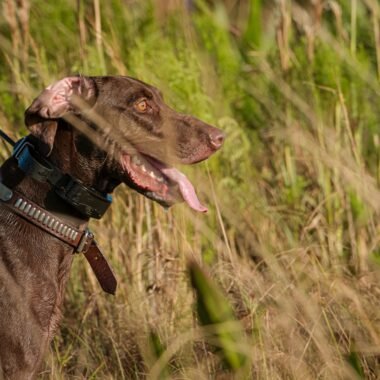
About the Breed
Pointers are large, typically active dogs originating from Europe and England where they were first bred to point hunters towards game. They’re also known as English Pointers.
English Pointers have a short, smooth coat which is usually two colours; a combination of black, brown, liver or white. Some Pointers’ coats are spotted.
Many behaviours come naturally to all dogs. Whether that’s a desire to dig or a love of lazing, these can be influenced by different factors like genetics or personal experience.
We’re bringing you the important facts and considerations about Pointers. Could you become a Pointer parent and give one a forever home?
- Size: Large Breed
- Short length with moderate shedding
- LIFE EXPECTANCY 12+ Years
”Owning a dog is not just a privilege; it’s a responsibility. They depend on us for, at minimum, food and shelter, and deserve much more. When you take a dog into your life, you need to understand the commitment that dog ownership entails”.
What To Expect When Caring For a Pug & Traits
Although German Shorthaired Pointers are generally healthy, there are some conditions the breed may be prone to. Among these are hip dysplasia, eye conditions such as progressive retinal atrophy, and certain heart diseases. A responsible breeder will screen their breeding stock for conditions that affect the breed. GSPs can also be affected by bloat, a life-threatening condition where the stomach suddenly distends and often twists as well. Owners should educate themselves as to what symptoms indicate this is occurring and what to do should it occur.
Recommended Health Tests From the National Breed Club:
- Hip Evaluation
- Elbow Evaluation
- Cardiac Exam
- Ophthalmologist Evaluation
- Cone Degeneration (German Shorthaired Pointer) (CD) – DNA Test
The GSPs coat is easy to groom most of the year, requiring only a good once-over with a brush or grooming glove every few days. Although the coat is short, it still sheds’especially at certain times of the year, when more frequent brushing will be needed to remove the loose hairs before they end up all over the house. The hairs can become embedded in fabrics and carpet and hard to get out. An occasional bath (using a gentle shampoo) can help. The ears should be regularly inspected and cleaned, and the nails trimmed short.
The GSP does best with plenty of exercise and things to do, such as running, swimming, and dog sports’in fact, anything that will burn some of their boundless energy while spending time outdoors with a human buddy. Their routine should ideally include ample physical activity twice a day. This might be in the form of brisk, half-hour walks morning and evening or running and playing in a securely fenced area. GSPs are smart and athletic and excel in a wide range of canine activities that exercise mind and body, from field eventsto agility, obedience, and dock diving.
Early training is essential for the German Shorthaired Pointer. Socializationand puppy training classes are vital, continuing with practice in basic obedience commands. This is an intelligent breed that learns quickly with consistent training sessions. GSPs need a purpose, and without one they can be destructive if left to their own devices. The breed can be extremely challenging from 6 months to 3 years old. GSPs have a very high energy level and a strong prey drive, and they need an owner with an active lifestyle to guide the dog’s exuberance and intensity into positive outlets.
Feed a high-quality dog food that is appropriate to the dog’s age (puppy, adult, or senior) and activity level. A pup under 6 months old will need to be fed more than twice a day; once the GSP reaches adulthood, a meal morning and evening should be sufficient. Because the breed is subject to bloat, they should not be fed immediately after running or other vigorous exercise, nor should they be allowed to run or exercise for at least an hour after eating and drinking. The ideal evening mealtime would be after physical activities are through for the day.
| Description | Registration Code | Breed Standard Color | ||
| Liver | 123 | |||
| Liver & White | 125 | |||
| Liver Roan | 126 | |||
| White & Liver | 212 | |||
| Black & White | 019 | |||
| Black | 007 | |||
| Black Roan | 497 |
A breed’s level of tolerance and patience with children’s behavior, and overall family-friendly nature. Dogs should always be supervised around young children, or children of any age who have little exposure to dogs.
How generally friendly a breed is towards other dogs. Dogs should always be supervised for interactions and introductions with other dogs, but some breeds are innately more likely to get along with other dogs, both at home and in public.
How affectionate a breed is likely to be with family members, or other people he knows well. Some breeds can be aloof with everyone but their owner, while other breeds treat everyone they know like their best friend.